

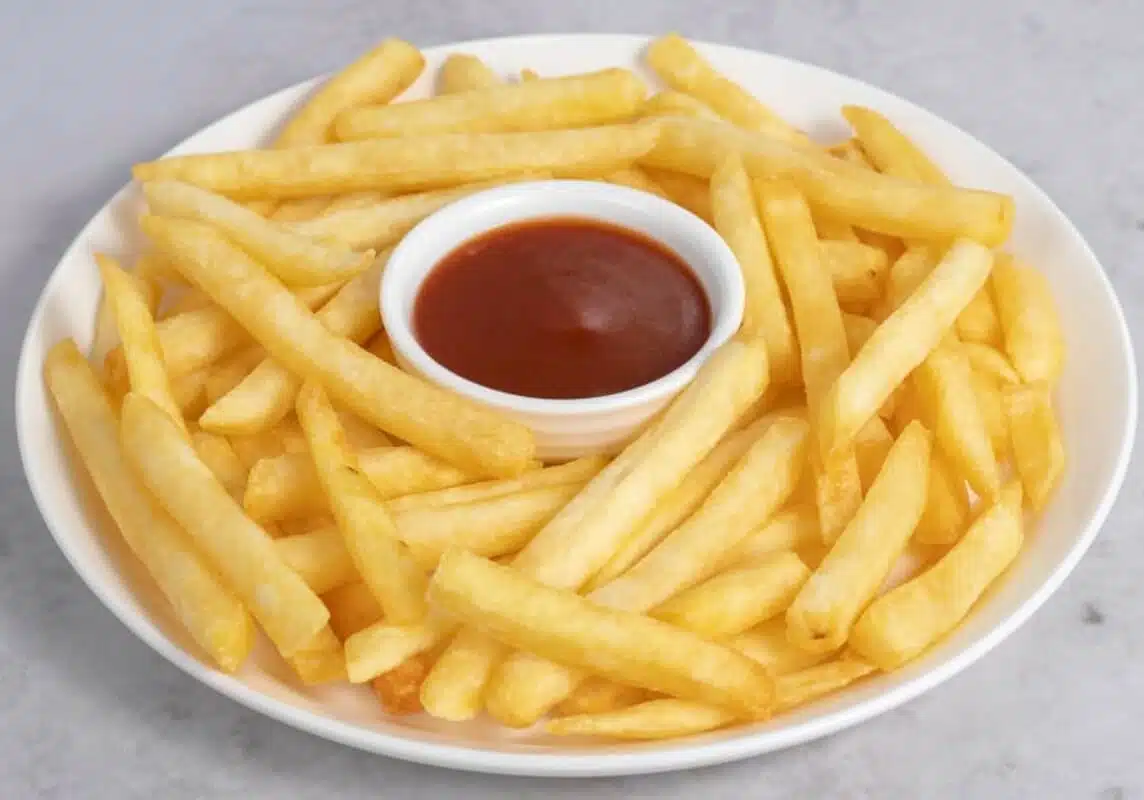
French fries are often labeled as unhealthy or “junk food,” but this reputation does not tell the full story. In reality, there are nutritional components in potatoes that can offer certain health benefits when prepared properly. When made and consumed thoughtfully, even foods like fries can be part of a balanced diet. This article explores the nutritional value, potential benefits, risks, and evolving perceptions of fries, including the growing interest in healthy french fries options.
The Nutritional Value Hidden in Potatoes
French fries begin with potatoes, which naturally contain a variety of essential nutrients. While processing and cooking methods can influence their final nutritional profile, the base ingredient itself is far from empty calories.
Potatoes contain vitamin C, which supports immune function, and potassium, which plays a role in maintaining healthy blood pressure levels. They also provide vitamin B6, important for metabolism and brain health. Additionally, potatoes contain dietary fiber, especially when the skin is left intact, which can support digestive health.
Another important component is resistant starch, which forms when cooked and cooled potatoes are consumed. This type of starch may support gut health and improve digestion. Potatoes also contain natural antioxidants that help protect cells from oxidative stress.
Key Nutrients Found in French Fries
When prepared properly, fries can retain some of the nutrients found in whole potatoes. Fiber from potato skins can contribute to digestive support, while potassium remains present even after cooking. Small amounts of antioxidants may still be retained depending on preparation methods.
The type of oil used in cooking also plays a role in nutritional quality. Oils with unsaturated fats, when used appropriately, can influence the overall fat profile of fries. This is why preparation method is just as important as the ingredient itself.
Healthier Cooking Methods for French Fries
The way fries are prepared has a significant impact on their nutritional value. Traditional deep-frying can increase fat and calorie content, while alternative cooking methods can offer lighter versions.
Baking fries in an oven reduces overall oil usage and can lower calorie intake. Air frying uses circulating hot air to achieve crispiness with minimal oil. These methods are often preferred by individuals seeking healthier options.
Using oils in moderation, especially those rich in unsaturated fats, can also improve the nutritional profile. Keeping the potato skin intact can further enhance fiber content. Seasoning with herbs and spices instead of excessive salt may also contribute to a healthier preparation.
Moderation and Balanced Consumption
Like many foods, fries are best enjoyed in moderation. The key factor is portion size and frequency of consumption. When eaten occasionally and paired with balanced meals, fries can fit into a healthy dietary pattern.
Combining fries with lean proteins, vegetables, or salads can help create a more complete and nutritious meal. Managing portion sizes ensures that calorie intake remains aligned with overall dietary goals.
Potential Health Concerns of French Fries
Despite their nutritional elements, fries can also present health concerns depending on how they are prepared and consumed. Excessive intake of fried foods may contribute to an imbalance in dietary fats and increased calorie consumption.
High consumption of deeply fried foods has been associated with increased risk of cardiovascular issues, particularly when unhealthy fats are used. Overcooking or burning fries may also lead to the formation of compounds such as acrylamide, which has raised health concerns in food science research.
Additionally, frequent consumption of high-fat fried foods may contribute to weight gain if not balanced within overall dietary intake. However, these risks are strongly linked to preparation methods and frequency rather than occasional consumption.
Comparing Fries with Other Potato-Based Foods
When compared to other potato preparations, fries offer a different nutritional profile. Baked potatoes generally retain more natural nutrients and contain less added fat. Mashed potatoes can vary depending on added ingredients such as butter or cream.
Fries may contain slightly reduced vitamin levels due to high-heat cooking but can retain more fiber when skins are included. Compared to whole grains, fries are lower in protein but may provide greater sensory satisfaction as a comfort food.
Sweet potato fries are often considered a more nutrient-dense alternative, offering additional vitamins and antioxidants.
Beneficial Compounds Found in Potatoes
Potatoes contain natural plant compounds that may contribute to health benefits. Some of these compounds are being studied for their potential role in reducing inflammation and supporting overall wellness.
Certain antioxidant compounds found in potatoes may help protect cells from damage. Potassium also plays a role in supporting cardiovascular function. These elements suggest that potatoes, when prepared appropriately, can contribute more than just energy intake.
Scientific Research and Dietary Insights
Nutritional research continues to explore the role of potatoes and fried foods in the diet. Studies often highlight the importance of moderation rather than elimination. Diet patterns that include balanced portions of various foods tend to show better long-term outcomes.
Research has also pointed out that preparation methods significantly influence health impact. Baked or air-fried versions are often considered more favorable compared to deep-fried alternatives. Overall dietary context remains the most important factor in evaluating health effects.
French Fries as a Comfort Food
Beyond nutrition, fries also play a psychological and emotional role in food culture. They are widely recognized as a comfort food enjoyed across different cultures and age groups.
Eating fries can provide emotional satisfaction and social enjoyment, especially when shared in social settings. This emotional aspect contributes to their continued popularity, even when dietary considerations are taken into account.
Sustainability and Food Production Considerations
The production of fries also connects to broader agricultural and environmental systems. Potato farming supports large-scale food supply chains and provides economic value to farming communities.
Sustainable farming practices, responsible sourcing, and efficient production methods can help reduce environmental impact. As consumer awareness grows, there is increasing interest in food products that balance taste, nutrition, and sustainability.
Conclusion: Finding Balance in French Fry Consumption
French fries are more complex than their reputation suggests. While they are often viewed as unhealthy, they do contain valuable nutrients derived from potatoes. Their overall health impact depends largely on preparation methods, ingredients, portion size, and frequency of consumption.
Healthier versions, including healthy french fries prepared through baking or air frying, demonstrate that fries can be adapted to fit more balanced eating habits. When enjoyed in moderation and as part of a varied diet, fries can remain both a pleasurable and acceptable food choice.


