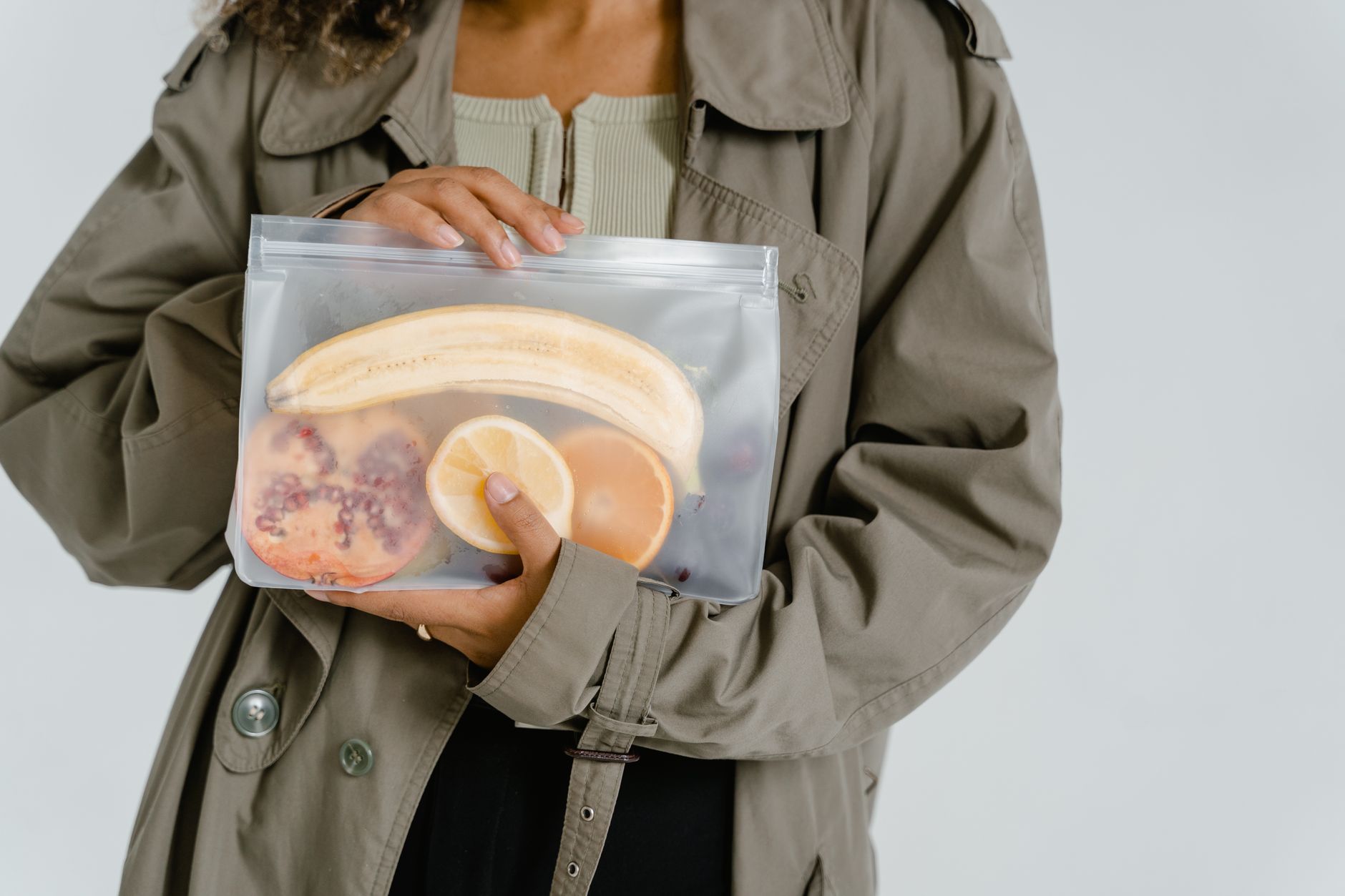
Ziploc food waste is a pressing issue, and the new initiative by Ziploc® Brand and Too Good To Go aims to tackle this problem head-on.
Understanding Ziploc Food Waste Solutions
As food waste continues to be a pressing global issue, innovative solutions are emerging to combat this problem. Ziploc food waste solutions aim to minimize the environmental impact of unused food items. One of the latest initiatives involves the collaboration between Ziploc® Brand and Too Good To Go, which has introduced “Surprise Seconds.” This program is designed to give good food a second chance by offering consumers the opportunity to purchase surplus food at discounted prices.
The key benefits of this initiative include:
- Reduced Waste: By redirecting surplus food, it prevents perfectly edible items from being discarded.
- Cost Savings: Consumers can enjoy high-quality food at a fraction of the original price.
- Community Engagement: The program fosters a sense of community by encouraging local participation and support.
Moreover, using Ziploc products in conjunction with these initiatives can further enhance efforts to reduce Ziploc food waste. Properly sealing and storing surplus food can extend its freshness, making it easier to enjoy leftovers and minimize waste at home.
How Ziploc Food Waste Affects the Environment
The issue of Ziploc food waste poses significant challenges to the environment. Each year, millions of Ziploc bags are discarded after a single use, contributing to the growing problem of plastic pollution. These bags are not biodegradable, which means they can take hundreds of years to decompose in landfills.
Moreover, the environmental impact extends beyond just the bags themselves. The production of plastic materials requires substantial energy and resources, leading to increased carbon emissions. This cycle of production and disposal ultimately exacerbates climate change.
To combat this issue, it is essential to adopt sustainable practices. Here are some methods to reduce Ziploc food waste:
- Reuse: Clean and repurpose Ziploc bags for multiple uses whenever possible.
- Recycle: Participate in local recycling programs that accept plastic bags.
- Opt for alternatives: Consider using reusable containers that are environmentally friendly.
By being mindful of Ziploc food waste, individuals can play a crucial role in protecting the environment and promoting sustainability.
Benefits of Reducing Ziploc Food Waste
Reducing Ziploc food waste offers numerous benefits that extend beyond just saving money. By minimizing the amount of food that goes to waste, individuals can contribute positively to the environment and promote sustainability.
One of the primary advantages of reducing food waste is the conservation of resources. When food is discarded, it not only wastes the ingredients but also the water, energy, and labor that went into producing it. By using Ziploc bags effectively to store and preserve food, households can ensure that their groceries last longer and are consumed rather than thrown away.
Additionally, reducing Ziploc food waste can lead to significant cost savings. Families can save money on groceries by maximizing the lifespan of their perishable items, leading to fewer trips to the store. This is particularly important in times of rising food prices.
Lastly, minimizing food waste aligns with community efforts to combat hunger. By sharing surplus food through initiatives like Ziploc’s partnership with Too Good To Go, consumers can help distribute good food to those in need, creating a more equitable food system.
Ziploc Food Waste and Community Impact
The issue of Ziploc food waste extends beyond individual households, impacting communities and the environment at large. As food waste continues to be a pressing concern, the collaboration between Ziploc® Brand and Too Good To Go aims to address this problem effectively. By launching “Surprise Seconds,” they provide a platform for communities to rediscover and utilize surplus food that would otherwise go to waste.
This initiative not only helps reduce Ziploc food waste but also fosters a sense of community by encouraging local engagement. Consumers can participate in a sustainable cycle where good food is saved and shared. The positive effects of such programs include:
- Decreased landfill contributions, which leads to lower greenhouse gas emissions.
- Increased awareness about food waste and its implications on the community.
- Support for local businesses that may struggle with excess inventory.
- Promotion of mindful consumption habits among community members.
Overall, initiatives like “Surprise Seconds” highlight the importance of collective efforts in tackling Ziploc food waste while fostering community spirit and environmental responsibility.
Innovative Strategies for Ziploc Food Waste
As consumers become increasingly aware of the implications of Ziploc food waste, innovative strategies are emerging to address this pressing issue. Brands like Ziploc® are collaborating with organizations such as Too Good To Go to create initiatives that promote food sustainability and reduce waste.
One of the key strategies involves the launch of programs like “Surprise Seconds,” which aim to give surplus food a second chance. This initiative encourages consumers to purchase perfectly good food that would otherwise go to waste, packaged conveniently for easy storage in Ziploc bags.
- Educational Campaigns: Raising awareness about the importance of reducing food waste through workshops and social media.
- Community Engagement: Partnering with local food banks to donate surplus items that can be stored in Ziploc bags.
- Innovative Packaging: Developing biodegradable or reusable alternatives to traditional Ziploc bags to minimize environmental impact.
By implementing these strategies, the fight against Ziploc food waste not only benefits the environment but also fosters a sense of community responsibility.
Getting Involved in Ziploc Food Waste Reduction
As individuals and communities seek to combat the growing issue of Ziploc food waste, there are several ways to get involved and make a difference. One effective method is to participate in local food-sharing initiatives that focus on reducing waste. By connecting with organizations like Too Good To Go, which partners with brands like Ziploc®, you can help give surplus food a second chance rather than allowing it to end up in landfills.
Additionally, consider organizing or joining community clean-up events that emphasize food waste awareness. These gatherings not only educate participants about the environmental impacts of Ziploc food waste but also promote sustainable practices. Here are a few actionable steps to engage in:
- Host workshops: Teach others about efficient food storage techniques using Ziploc products to minimize waste.
- Share resources: Create and distribute guides on best practices for using Ziploc bags responsibly.
- Advocate: Work with local governments to support policies aimed at reducing food waste in your area.
By taking these steps, you can play a crucial role in combatting Ziploc food waste and fostering a more sustainable future.
Photo by MART PRODUCTION on Pexels